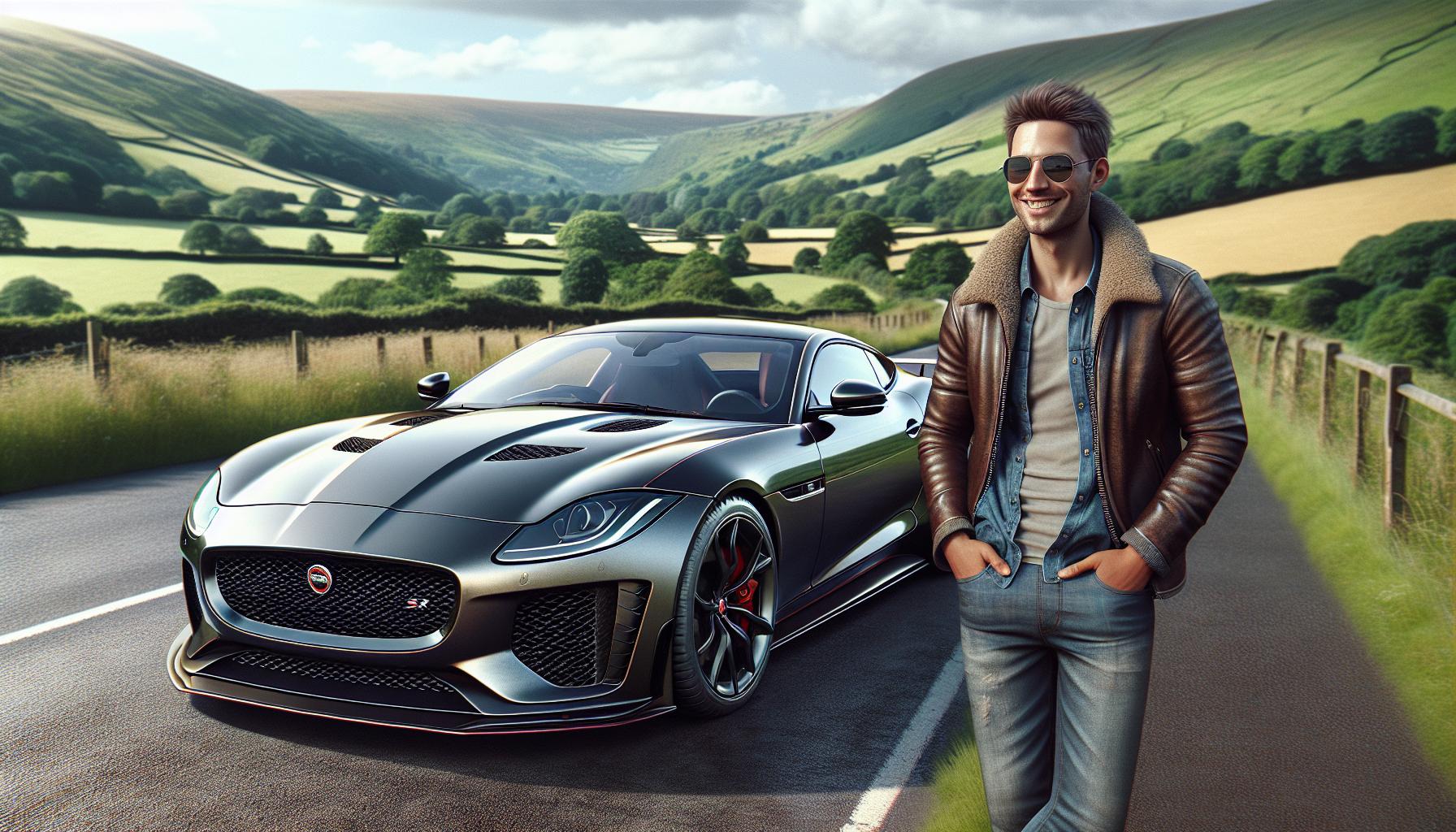
When it comes to high-performance luxury vehicles, Jaguar SVR and Mercedes-AMG represent two distinct philosophies of automotive excellence. While both brands promise heart-pounding thrills, they deliver their excitement in dramatically different ways.
The battle between British refinement and German precision creates an interesting automotive tale. Jaguar’s Special Vehicle Racing (SVR) division brings a uniquely British character to the performance game, while Mercedes-AMG has long been synonymous with autobahn-crushing power. Think of it as a sophisticated cup of Earl Grey tea versus a perfectly engineered German espresso – both’ll wake you up, but the experience couldn’t be more different. It’s this contrast in driving dynamics and engineering approaches that makes comparing these two powerhouses so fascinating.
The Heritage Behind SVR and AMG Performance Divisions
Jaguar SVR and Mercedes-AMG draw their distinctive characters from decades of motorsport heritage. Each division represents a unique approach to high-performance vehicle development, shaped by their respective racing legacies.
Racing DNA and Brand Philosophy
Jaguar SVR emerged from the company’s legendary Le Mans victories in the 1950s. The division carries forward the racing spirit of the iconic C-Type D-Type race cars that dominated endurance racing. SVR focuses on creating vehicles that blend sophisticated performance with British luxury traditions, emphasizing smoothness and refinement in power delivery.
Mercedes-AMG traces its roots to the 1960s when two former Mercedes engineers, Hans Werner Aufrecht and Erhard Melcher, established AMG. Racing success in the European Touring Car Championship with the legendary “Red Pig” 300 SEL 6.8 AMG established AMG’s reputation for building powerful race-derived engines. Their philosophy centers on maximizing power output through advanced engineering.
Engineering Approaches
SVR’s engineering emphasizes balanced performance through aerodynamic efficiency adaptive suspension systems advanced traction control. The development process integrates luxury components with performance upgrades designed for both track capability everyday usability. Each SVR model undergoes extensive testing at the Nürburgring F-Type test facility.
AMG follows a “One Man One Engine” principle where single master craftsmen hand-assemble each engine. Their engineering focuses on producing maximum power through larger displacement engines twin-turbo configurations enhanced cooling systems. AMG vehicles feature specific chassis modifications stiffer suspension components performance-oriented transmission programming.
Power Delivery and Engine Characteristics
The fundamental distinction between Jaguar SVR and Mercedes-AMG lies in their contrasting approaches to power delivery. These high-performance divisions showcase unique engineering philosophies that create distinctly different driving experiences.
Jaguar SVR’s Supercharged Symphony
Jaguar SVR’s 5.0-liter supercharged V8 delivers power with a linear progression that builds momentum seamlessly. The supercharger provides instant throttle response at 1,500 RPM, eliminating turbo lag common in forced-induction engines. SVR models generate 575 horsepower in the F-Type SVR configuration, with torque delivery spread evenly across the power band. The supercharger’s mechanical connection creates a direct relationship between engine speed and power output, resulting in predictable acceleration characteristics. SVR’s engine management system incorporates adaptive dynamics that adjust power delivery based on driving conditions, maintaining the balance between performance and refinement.
AMG’s Turbocharged Aggression
Mercedes-AMG’s 4.0-liter biturbo V8 demonstrates raw power through explosive acceleration peaks. Twin turbochargers mounted inside the V of the engine block produce 577 horsepower in the GT R specification. AMG engines feature a hot-V configuration that reduces turbo lag through shorter exhaust paths. Power delivery comes in concentrated bursts, with maximum torque available from 2,100 RPM. The engine’s electronic management system creates distinct power characteristics across different drive modes: Comfort, Sport, Sport+ and Race. AMG’s signature thrust manifests in dramatic power surges, particularly evident during mid-range acceleration between 3,000 and 5,000 RPM.
Handling and Vehicle Dynamics
The handling characteristics of Jaguar SVR and Mercedes-AMG reflect distinct engineering philosophies that create unique driving experiences. Each manufacturer approaches chassis tuning and driver engagement with signature methodologies that stem from their racing heritage.
Suspension Setup Differences
Jaguar SVR employs an adaptive dynamics suspension system with continuously variable damping rates monitored 500 times per second. The system features aluminum double wishbone front suspension paired with an integral link rear setup, delivering precise body control while maintaining ride comfort. SVR models utilize specific spring rates that are 30% stiffer than standard variants, paired with enhanced anti-roll bars for reduced body lean.
Mercedes-AMG opts for its AMG RIDE CONTROL+ system with steel springs and adjustable dampers offering three distinct modes. The setup incorporates specialized bearings, larger stabilizer bars and multiple suspension links machined from aluminum. AMG models feature a 40% increase in negative camber compared to standard Mercedes vehicles, enabling greater cornering grip at high speeds.
Steering Feel and Feedback
Jaguar SVR’s electric power steering system delivers progressive resistance that increases with speed and cornering force. The rack features a 14.1:1 ratio optimized for balanced response across varying driving conditions. SVR models incorporate specific software mapping that provides detailed road surface information while filtering unwanted vibrations.
Mercedes-AMG utilizes a variable-ratio steering system that becomes more direct as steering angle increases. The setup includes a rigid front axle with specialized knuckles reducing elastokinematic movements by 20%. AMG’s speed-sensitive power assistance decreases dramatically at higher velocities, creating weightier steering feel during performance driving scenarios.
Interior Design and Driver Environment
The cockpit design philosophy between Jaguar SVR and Mercedes-AMG creates distinct driver experiences that reflect their brand identities. Each manufacturer approaches interior layout with specific attention to driver engagement and comfort.
British Luxury vs German Precision
Jaguar SVR interiors showcase handcrafted Windsor leather with diamond-quilted patterns across the performance seats and door panels. The SVR cabin features traditional British elements like piano black trim accents mixed with modern carbon fiber inlays. Chrome bezels frame classic round gauges while the center console incorporates a rotary gear selector unique to Jaguar. In contrast, Mercedes-AMG embraces a tech-forward aesthetic with machined aluminum switches, red accent stitching and microfiber DINAMICA material. AMG models feature integrated sports seats with illuminated badges, thick side bolsters and a flat-bottom steering wheel wrapped in perforated leather.
Control Layout and Ergonomics
The SVR cockpit positions core controls within a swept instrument panel that curves toward the driver. Toggle switches activate dynamic driving modes while a leather-wrapped sports steering wheel integrates paddle shifters and multimedia controls. The 12.3-inch digital instrument cluster displays performance data in crisp resolution. AMG models feature a command center layout with the signature AMG Drive Unit buttons mounted on the steering wheel. The MBUX infotainment system integrates track telemetry functions through dual 12.3-inch displays. Red illuminated switches control suspension settings transmission modes and exhaust sound management from the center console.
Performance Technology Integration
Performance technology in Jaguar SVR and Mercedes-AMG vehicles demonstrates distinct approaches to driver assistance and track capabilities. Each manufacturer integrates advanced systems that reflect their unique performance philosophies.
Electronic Systems and Driver Aids
Jaguar SVR integrates Active Dynamics Monitoring with predictive algorithms that analyze road conditions 500 times per second. The system connects with Intelligent Driveline Dynamics to distribute torque between axles for optimal traction. Dynamic Stability Control incorporates Track mode settings that allow greater slip angles while maintaining safety parameters. The SVR’s Adaptive Surface Response automatically adjusts throttle mapping across six driving conditions including wet grass snow ice.
Mercedes-AMG employs AMG DYNAMICS with six preset modes that modify stability control intervention levels. The system features integrated yaw control sensors that monitor lateral acceleration forces at 1000 Hz intervals. AMG TRACTION CONTROL offers nine adjustment levels accessible through steering wheel controls. The Race Start function optimizes launch control parameters based on surface grip conditions.
Track-focused Features
The SVR Track Pack includes carbon ceramic brakes with six-piston front calipers that reduce unsprung mass by 21 kg. Data logging capabilities record 20 performance parameters including G-forces lap times engine temperatures. The aerodynamic package generates 165 kg of downforce at 186 mph through an active rear wing front splitter combination.
AMG Track Pace technology captures real time telemetry from 80 vehicle sensors during circuit driving. The system stores data from 60 international racing circuits in its database. AMG’s aerodynamic elements produce 180 kg of downforce at 155 mph using active air management systems. Carbon composite braking systems deliver consistent stopping power after multiple high speed decelerations.
Conclusion
Both Jaguar SVR and Mercedes-AMG represent the pinnacle of automotive performance but deliver their thrills through distinctly different paths. The SVR’s sophisticated approach prioritizes refinement and balanced performance while AMG’s engineering prowess focuses on raw power and precision.
These differences stem from deep-rooted cultural and engineering philosophies that make each brand unique. Whether drivers prefer the SVR’s elegant brutality or AMG’s technical mastery ultimately comes down to personal taste. Both deliver exceptional driving experiences that showcase the best of British and German performance engineering.
For enthusiasts seeking the perfect high-performance luxury vehicle the choice between SVR and AMG isn’t about which is better – it’s about which personality better matches their driving style and preferences.
Leave a Reply