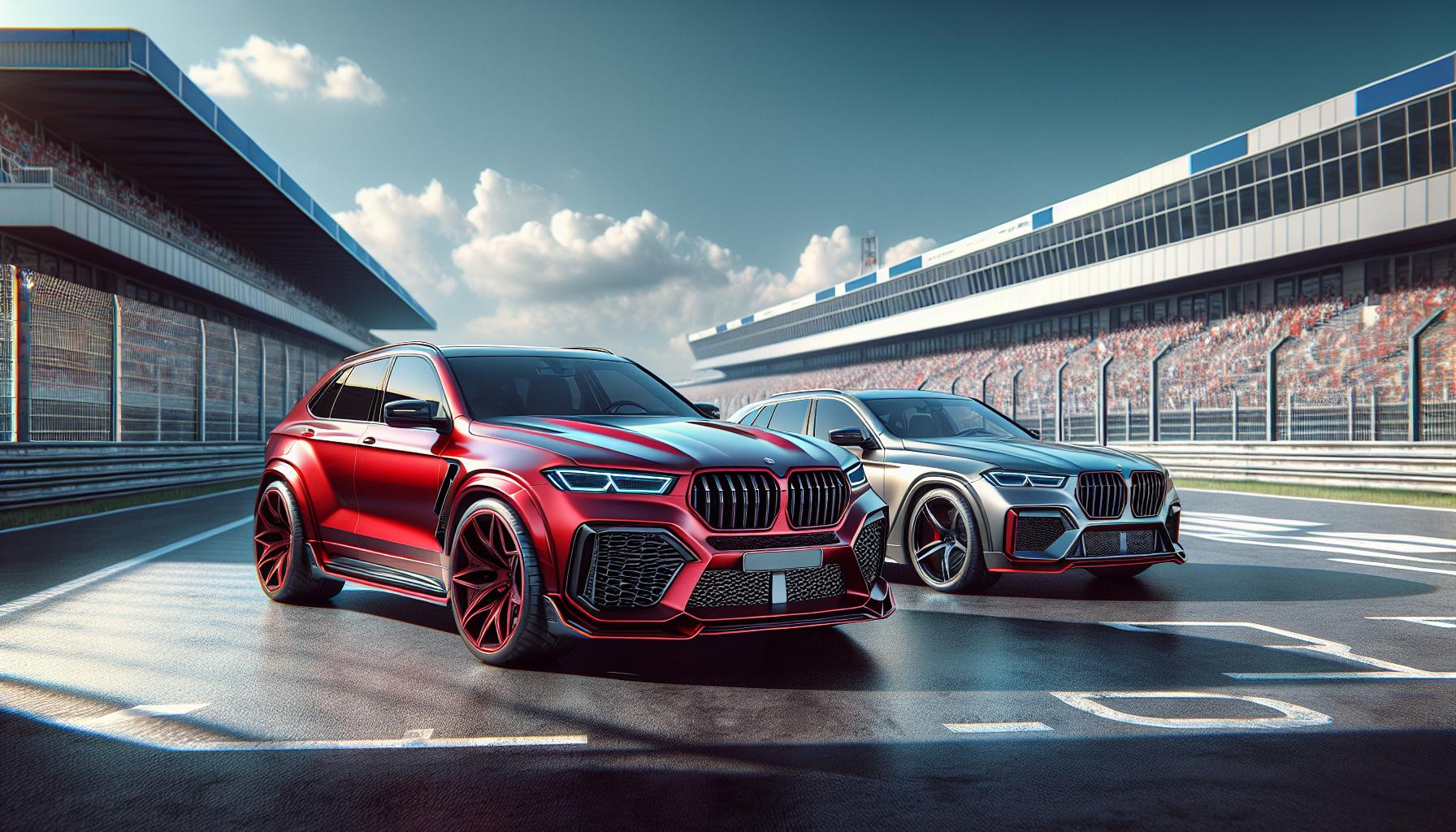
In the high-stakes arena of luxury performance vehicles, two automotive titans stand ready for battle. The British powerhouse Jaguar SVR faces off against German engineering excellence Mercedes-AMG in what can only be described as the ultimate tech showdown of 2024.
When it comes to cutting-edge innovations, both manufacturers have pulled out all the stops. While Jaguar SVR flaunts its revolutionary aerodynamics and AI-driven performance systems, Mercedes-AMG counters with its groundbreaking hybrid powertrains and next-gen MBUX infotainment. It’s like watching two master chess players, each calculating their next move in the game of automotive supremacy.
The Legacy of Performance: SVR and AMG
Jaguar SVR emerged from Jaguar Land Rover’s Special Vehicle Operations in 2014, creating high-performance variants that embody British engineering excellence. SVR models deliver track-focused capabilities with advanced technologies like active aerodynamics carbon fiber components dynamic chassis systems.
Mercedes-AMG traces its roots to 1967 when engineers Hans Werner Aufrecht and Erhard Melcher established AMG as an independent racing engine forge. The partnership with Mercedes-Benz solidified in 1999 creating iconic performance vehicles that combine German precision with raw power.
| Performance Division | Founding Year | Notable Achievements |
|---|---|---|
| Jaguar SVR | 2014 | F-PACE SVR: 0-60 mph in 3.8s |
| Mercedes-AMG | 1967 | AMG GT Black Series: 720 hp |
Each division brings distinct engineering approaches:
SVR Characteristics:
- Lightweight aluminum architecture
- Adaptive suspension technology
- Electronic Active Differential
- Intelligent Driveline Dynamics
AMG Signatures:
- Hand-built engines (“One Man One Engine”)
- Multi-clutch transmission systems
- Race-derived aerodynamics
- AMG RIDE CONTROL+
Both performance divisions integrate motorsport DNA into their production vehicles establishing unique identities in the high-performance segment. SVR emphasizes responsive handling through advanced lightweight materials while AMG focuses on maximum power delivery through precision engineering.
The competition between these divisions drives innovation pushing boundaries in areas like electrification aerodynamics materials science. SVR’s latest models incorporate AI-driven performance systems as AMG develops hybrid powertrains enhancing traditional performance metrics.
Power and Performance Specifications
The engineering battle between Jaguar SVR and Mercedes-AMG manifests most dramatically in their performance metrics. Each manufacturer pushes the boundaries of power delivery and acceleration through distinct technological approaches.
Engine Technology and Output
Jaguar SVR’s F-PACE SVR generates 550 horsepower from a 5.0-liter supercharged V8 engine with advanced forced induction technology. The powertrain features direct fuel injection paired with a ZF 8-speed automatic transmission optimized for track performance. In comparison, Mercedes-AMG’s GLE 63 S produces 603 horsepower from a 4.0-liter twin-turbocharged V8 with EQ Boost mild hybrid assistance. The AMG powerplant incorporates cylinder deactivation technology alongside an integrated starter generator that adds 21 horsepower of electric boost.
| Specification | Jaguar SVR | Mercedes-AMG |
|---|---|---|
| Engine Size | 5.0L V8 | 4.0L V8 |
| Horsepower | 550 hp | 603 hp |
| Torque | 516 lb-ft | 627 lb-ft |
Acceleration and Top Speed
The Jaguar F-PACE SVR accelerates from 0-60 mph in 3.8 seconds with a top speed of 178 mph. Launch control systems optimize traction through sophisticated all-wheel drive programming. The Mercedes-AMG GLE 63 S reaches 60 mph in 3.7 seconds with an electronically limited top speed of 174 mph. AMG’s 4MATIC+ system provides variable torque distribution between axles for enhanced acceleration dynamics.
| Performance | Jaguar SVR | Mercedes-AMG |
|---|---|---|
| 0-60 mph | 3.8 sec | 3.7 sec |
| Top Speed | 178 mph | 174 mph |
| Drive System | AWD | 4MATIC+ |
Advanced Technology Systems
The technological battle between Jaguar SVR and Mercedes-AMG extends beyond pure performance into sophisticated digital interfaces and intelligent driving systems. Each manufacturer implements distinct approaches to enhance driver engagement and vehicle capability.
Infotainment and Connectivity
Jaguar SVR integrates an 11.4-inch curved touchscreen with Pivi Pro software, featuring wireless Apple CarPlay and Android Auto compatibility. The system responds to inputs in 0.48 seconds and includes over-the-air updates for continuous improvement. SVR-specific performance pages display real-time data including g-force measurements, lap times and tire temperatures.
Mercedes-AMG counters with the MBUX Hyperscreen, spanning 56 inches across the dashboard with three integrated displays. The system processes 24 gigabytes per second through eight CPU cores and incorporates AI-driven voice commands. AMG Track Pace software records 80 vehicle-specific data points for track day analysis.
Driver Assistance Features
Advanced driver aids in Jaguar SVR models include predictive adaptive cruise control with steering assist and traffic sign recognition. The Smart Settings system learns driver preferences and adjusts 20 vehicle parameters automatically. SVR’s Clear Exit Monitor alerts passengers of approaching vehicles when opening doors.
Mercedes-AMG employs Active Distance Assist DISTRONIC with route-based speed adaptation. The system navigates curves, toll booths and exit ramps autonomously. AMG DYNAMIC SELECT offers six driving modes with 50 adjustable parameters including suspension, steering and powertrain responses. Active Lane Change Assist executes automated lane changes in 3 seconds when activated.
Design Philosophy and Aerodynamics
The design philosophies of Jaguar SVR and Mercedes-AMG reflect distinctly different approaches to performance aesthetics. Each manufacturer employs unique aerodynamic solutions to optimize vehicle performance while maintaining brand identity.
Exterior Styling Elements
Jaguar SVR emphasizes fluid, feline-inspired lines with functional aerodynamic components. The F-PACE SVR features enlarged air intakes, carbon fiber side skirts and an active rear spoiler that generates 64kg of downforce at maximum speed. Mercedes-AMG adopts a more aggressive stance through its Panamericana grille, wider wheel arches and quad exhaust tips. The GLE 63 S incorporates a rear diffuser that reduces lift by 35% compared to its standard counterpart. Both vehicles utilize active aerodynamic elements that adjust based on speed and driving mode, with SVR focusing on smooth airflow management while AMG prioritizes maximum downforce generation.
Interior Craftsmanship
Jaguar SVR interiors showcase diamond-quilted leather seats with heritage logo embossing and aluminum shift paddles. The cabin incorporates performance-focused elements including a 12.3-inch digital instrument cluster with SVR-specific graphics and machined aluminum trim pieces. Mercedes-AMG cabins feature microfiber DINAMICA upholstery, illuminated door sills and carbon fiber accents throughout. The AMG-specific steering wheel includes touch-sensitive controls and customizable drive mode selectors. Both manufacturers integrate race-inspired elements like contrast stitching, performance gauges and branded badging to reinforce their sporting heritage.
Track Performance and Handling
The track capabilities of Jaguar SVR and Mercedes-AMG showcase distinct engineering approaches to performance dynamics. Each manufacturer implements unique solutions for maximizing vehicle control and driver engagement.
Suspension and Chassis Engineering
Jaguar SVR utilizes a double-wishbone front suspension coupled with an Integral Link rear setup featuring electronic active damping. The F-PACE SVR’s aluminum-intensive architecture reduces unsprung mass by 26 pounds compared to standard models. SVR’s Adaptive Dynamics system monitors vehicle movements 500 times per second, adjusting damper stiffness for optimal response.
Mercedes-AMG employs its AMG RIDE CONTROL+ air suspension with active roll stabilization on the GLE 63 S. The system incorporates twin-tube gas-filled shock absorbers combined with electronically controlled adjustable damping. Active engine mounts automatically adjust stiffness based on driving conditions, enhancing handling precision through corners.
Braking Systems
Jaguar SVR equips the F-PACE with 15.5-inch front rotors paired with four-piston aluminum calipers in red. Carbon ceramic brakes reduce unsprung weight by 37 pounds while offering fade resistance at high temperatures. The electronic brake booster provides consistent pedal feel across varying conditions.
Mercedes-AMG features 15.8-inch composite front brake discs with six-piston fixed calipers on the GLE 63 S. The AMG Carbon Ceramic braking system includes specialized brake pads with higher friction coefficients. Advanced ABS programming integrates with the 4MATIC+ all-wheel-drive system for enhanced braking stability during high-speed cornering.
The Price of Premium Performance
Premium performance commands significant investment in both the Jaguar SVR and Mercedes-AMG lineups. The F-PACE SVR starts at $89,500, featuring standard carbon fiber accents plus exclusive SVR interior appointments. Mercedes-AMG’s GLE 63 S enters the market at $116,850, including the MBUX Hyperscreen system plus AMG-specific performance upgrades.
| Model | Base Price | Key Premium Features |
|---|---|---|
| F-PACE SVR | $89,500 | Carbon fiber trim, SVR seats, 11.4-inch Pivi Pro display |
| GLE 63 S AMG | $116,850 | MBUX Hyperscreen, AMG RIDE CONTROL+, EQ Boost system |
Optional performance enhancements create substantial price variations. The F-PACE SVR’s carbon ceramic brake package adds $9,200, while exterior carbon fiber elements cost $4,500. Mercedes-AMG’s carbon fiber exterior package commands $8,500, with the AMG Night Package requiring an additional $3,450.
Maintenance costs reflect each vehicle’s sophisticated engineering. Jaguar SVR’s scheduled service intervals occur every 16,000 miles, averaging $1,200 per visit. Mercedes-AMG recommends maintenance every 10,000 miles, with service costs averaging $1,500 per appointment.
Insurance premiums mirror the vehicles’ performance capabilities. Annual coverage for the F-PACE SVR averages $2,800, while GLE 63 S policies typically cost $3,200. These rates factor in advanced safety features plus high-performance components.
Depreciation patterns differ between the manufacturers. The F-PACE SVR retains 52% of its value after three years, while the GLE 63 S maintains 58% of its original price point. These figures reflect brand heritage plus market demand for high-performance luxury vehicles.
Conclusion
Both Jaguar SVR and Mercedes-AMG demonstrate exceptional engineering prowess in their pursuit of automotive excellence. While SVR impresses with its lightweight architecture and advanced aerodynamics the AMG lineup showcases powerful hybrid powertrains and cutting-edge infotainment systems.
The future looks promising as these automotive giants continue pushing technological boundaries. Each manufacturer brings unique strengths to the table creating an exciting rivalry that ultimately benefits driving enthusiasts. Whether choosing the distinctive character of Jaguar SVR or the established performance of Mercedes-AMG buyers are guaranteed an extraordinary driving experience.
Their ongoing competition ensures that innovation remains at the forefront of luxury performance vehicles marking an exciting chapter in automotive history.
Leave a Reply