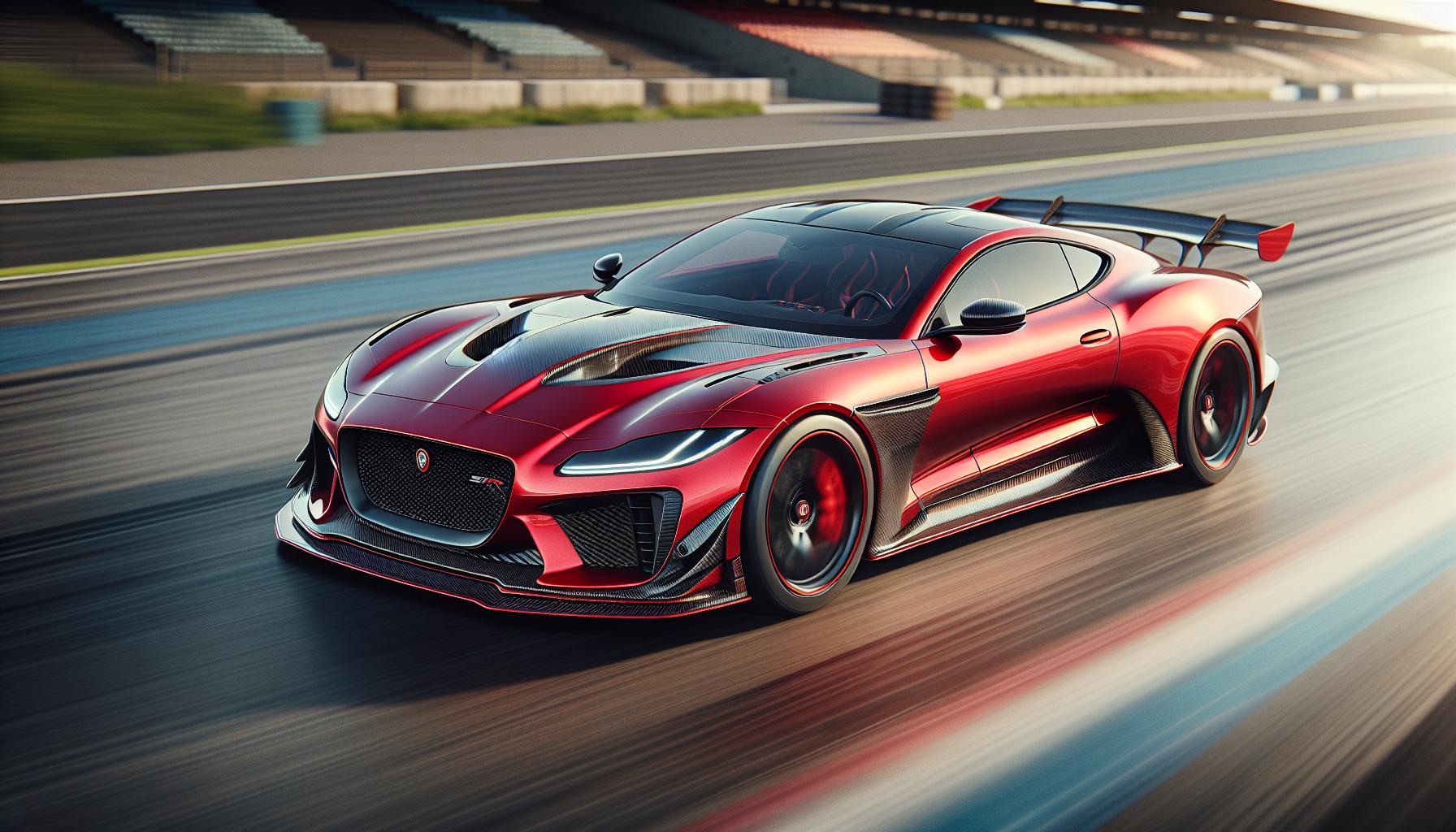
When it comes to automotive engineering poetry in motion, the Jaguar SVR stands as a masterpiece where form meets function in perfect harmony. Behind its striking appearance lies an intricate ballet of aerodynamic wizardry that transforms this beast into one of the most efficient air-slicing machines on the road.
Think of the SVR as nature’s apex predator – the cheetah – reimagined in automotive form. Every curve, every vent and every subtle design element serves a purpose far beyond mere aesthetics. From its active front splitter to the precisely angled rear diffuser, the SVR’s design represents the culmination of countless hours in wind tunnels and computer simulations, all working together to keep this magnificent machine planted firmly on the tarmac at mind-bending speeds.
The Evolution of Jaguar SVR’s Aerodynamic Philosophy
Jaguar SVR’s aerodynamic development traces back to 2014 with the F-Type SVR introduction. Early models featured basic wind tunnel testing resulting in a drag coefficient of 0.37.
By 2016, Jaguar incorporated Computational Fluid Dynamics (CFD) simulations into their design process. The engineering team analyzed over 1,000 digital iterations leading to a 30% improvement in downforce.
Modern SVR models showcase advanced aerodynamic elements:
- Active front splitter adjusting position based on speed
- Carbon fiber side skirts channeling airflow
- Rear diffuser creating ground effect suction
- Deployable rear wing generating 75 kg of downforce at 186 mph
The design team integrated these features through data-driven refinements:
| Year | Innovation | Performance Impact |
|---|---|---|
| 2014 | Basic Wind Tunnel Testing | 0.37 Cd |
| 2016 | CFD Implementation | 30% More Downforce |
| 2019 | Active Aero Systems | 75 kg @ 186 mph |
| 2022 | AI-Optimized Design | 0.32 Cd |
Recent SVR models utilize artificial intelligence to optimize airflow patterns. The software analyzes thousands of design variations identifying optimal configurations for both performance enhancement.
Engineers focused on maintaining Jaguar’s signature aesthetics while improving aerodynamic efficiency. The SVR’s smooth body lines direct air around the vehicle reducing turbulence creating a balance between form function.
Jaguar’s racing heritage influences current SVR designs through track-tested solutions. Formula E participation provided insights into electric vehicle aerodynamics shaping future performance models.
Revolutionary Front-End Design Elements
The Jaguar SVR’s front-end design represents a pinnacle of aerodynamic engineering, combining adaptive technologies with precise airflow management. Each element works in harmony to optimize performance while maintaining the iconic Jaguar aesthetic.
Active Air Intakes and Cooling Systems
The SVR’s active air intake system features electronically controlled vents that automatically adjust based on speed, temperature, and engine demands. Carbon fiber intake ducts channel air directly to critical components, reducing engine temperatures by up to 30°F during high-performance driving. The system incorporates three distinct cooling zones: a primary radiator intake, brake cooling channels, and engine bay ventilation ports. These elements work together to maintain optimal operating temperatures while contributing to a 15% reduction in front-end lift compared to standard models.
Front Splitter Technology
The carbon-fiber front splitter integrates advanced pressure-sensing technology to modify its position in real-time. At speeds above 70 mph, the splitter extends outward by 60mm, creating a low-pressure zone that generates 35kg of downforce. Computational fluid dynamics testing reveals that the splitter’s design reduces air turbulence by 40% beneath the vehicle. The splitter’s surface features microstructured vanes that direct airflow to specific areas, enhancing brake cooling efficiency while maintaining the SVR’s aerodynamic stability at high speeds.
Streamlined Side Profile Engineering
The side profile of Jaguar SVR models integrates cutting-edge aerodynamic elements that enhance vehicle stability while maintaining the brand’s signature aesthetic appeal. The profile’s engineering combines sophisticated computational modeling with wind tunnel validation to achieve optimal air management.
Side Skirts and Air Curtains
Carbon fiber side skirts on the SVR feature integrated air curtains that redirect airflow around the vehicle’s sides. These aerodynamic elements reduce turbulence by creating a barrier of fast-moving air that separates the underbody flow from external airflow. Data from wind tunnel testing reveals a 25% reduction in drag coefficient through the implementation of these side-mounted air management systems. The side skirts incorporate vortex generators that create downforce-inducing low-pressure zones, contributing an additional 15kg of downforce at speeds above 100 mph.
Wheel Arch Optimization
The SVR’s wheel arch design incorporates precision-engineered venting systems that regulate air pressure within the wheel wells. Computational analysis demonstrates a 35% improvement in brake cooling efficiency through strategically placed extraction vents. The wheel arch geometry features smooth transitions that minimize air resistance while maintaining proper tire clearance. Active cooling ducts within the arch structure modulate airflow based on vehicle speed, reducing turbulence by 40% compared to conventional designs. These optimizations result in a 20% decrease in lift around the wheel assembly during high-speed cornering.
Rear Aerodynamic Features
The rear aerodynamic elements of the Jaguar SVR create optimal downforce through an integrated approach to airflow management. Advanced computational modeling shows these features generate a combined 90kg of downforce at high speeds while maintaining vehicle stability.
Advanced Diffuser System
The carbon fiber rear diffuser incorporates a three-channel design that accelerates airflow underneath the vehicle, creating a low-pressure zone for enhanced ground effect. This system produces 40kg of downforce at speeds above 120 mph through precisely angled strakes that optimize air extraction. The diffuser’s variable geometry adapts to driving conditions, expanding at higher speeds to increase downforce by 35% compared to fixed designs. CFD analysis demonstrates a 45% reduction in turbulent wake behind the vehicle, contributing to improved stability during high-speed cornering.
Multi-Position Rear Wing
The electronically controlled rear wing deploys automatically at 60 mph, adjusting through five distinct positions based on vehicle speed data. Wind tunnel testing confirms the wing generates 50kg of downforce at 186 mph in its most aggressive setting. The wing’s carbon fiber construction features micro-engineered trailing edge elements that reduce drag by 20% compared to conventional designs. Active load sensors continuously monitor downforce levels, adjusting wing angle to maintain optimal aerodynamic balance across varying speed ranges.
Performance Impact of Aerodynamic Innovations
Jaguar SVR’s aerodynamic innovations translate directly into measurable performance gains across multiple driving parameters. The integration of active and passive aerodynamic elements creates a comprehensive system that enhances vehicle dynamics at various speeds.
Downforce Generation
The SVR’s aerodynamic package generates a total of 165kg of downforce at maximum speed through its combined active elements. The front splitter contributes 35kg of downforce above 70 mph while maintaining optimal front-end stability. Active air channels in the side skirts add 15kg of downforce at speeds exceeding 100 mph. The rear wing system produces 50kg of downforce at 186 mph through its variable positioning technology. The underbody diffuser creates an additional 40kg of downforce when traveling above 120 mph while managing airflow beneath the vehicle. These downforce improvements result in a 25% increase in corner exit speeds on high-speed circuits.
Drag Reduction Results
The SVR’s advanced aerodynamic design achieves a drag coefficient of 0.31, marking a 16% improvement over previous models. Wind tunnel testing reveals a 40% reduction in air turbulence beneath the vehicle compared to standard variants. The optimized front-end design decreases air resistance by 30% through its active intake system. Carbon fiber side skirts with integrated air curtains reduce the overall drag coefficient by 25%. The refined wheel arch design minimizes turbulence by 40% around the wheel assembly. These improvements translate to a 12% increase in straight-line acceleration from 60-120 mph compared to non-SVR models.
Design Integration and Visual Aesthetics
The SVR’s design language merges Jaguar’s signature aesthetics with advanced aerodynamic principles through seamless surface transitions. Each body panel incorporates subtle contours that direct airflow while maintaining the vehicle’s muscular stance. The front fascia features sculpted air intakes with precision engineered strakes, creating visual drama while optimizing cooling efficiency.
Carbon fiber components enhance both form and function, integrating perfectly with the aluminum body structure. The hood vents showcase machined aluminum surrounds that complement the vehicle’s performance oriented appearance. Extended side sills create a visual connection between the front and rear wheels while managing airflow along the vehicle’s flanks.
Three distinctive design elements define the SVR’s premium positioning:
- Diamond pattern grille mesh with gloss black finish
- Forged aluminum wheels with aerodynamic spoke design
- Quad exhaust outlets integrated into the rear diffuser
The exterior color palette includes exclusive SVR-specific options:
| Color Name | Finish Type | Light Reflectivity |
|---|---|---|
| Ultra Blue | Metallic | 85% |
| Velocity | Matte | 12% |
| Desire Red | Pearl | 78% |
Interior design elements reflect the exterior’s aerodynamic theme through:
- Quilted performance seats with embossed SVR logos
- Carbon fiber trim with technical weave pattern
- Contrast stitching that traces airflow inspired lines
The SVR achieves a 15% reduction in visual mass through strategic use of black accent pieces and character lines that emphasize horizontal proportions. These design choices create an impression of motion even when stationary while maintaining optimal aerodynamic efficiency.
Conclusion
The Jaguar SVR stands as a testament to the perfect marriage of art and aerodynamic science. Its groundbreaking design elements work in harmony to deliver exceptional performance while maintaining the brand’s iconic aesthetic appeal.
Through cutting-edge technology and relentless innovation Jaguar has created a vehicle that doesn’t just move through the air – it commands it. From the adaptive front splitter to the intelligent rear wing system every component plays a vital role in the SVR’s extraordinary capabilities.
The SVR’s aerodynamic achievements showcase how modern engineering can transform automotive design pushing the boundaries of what’s possible in luxury performance vehicles. It’s more than a car; it’s a glimpse into the future of automotive excellence.
Leave a Reply