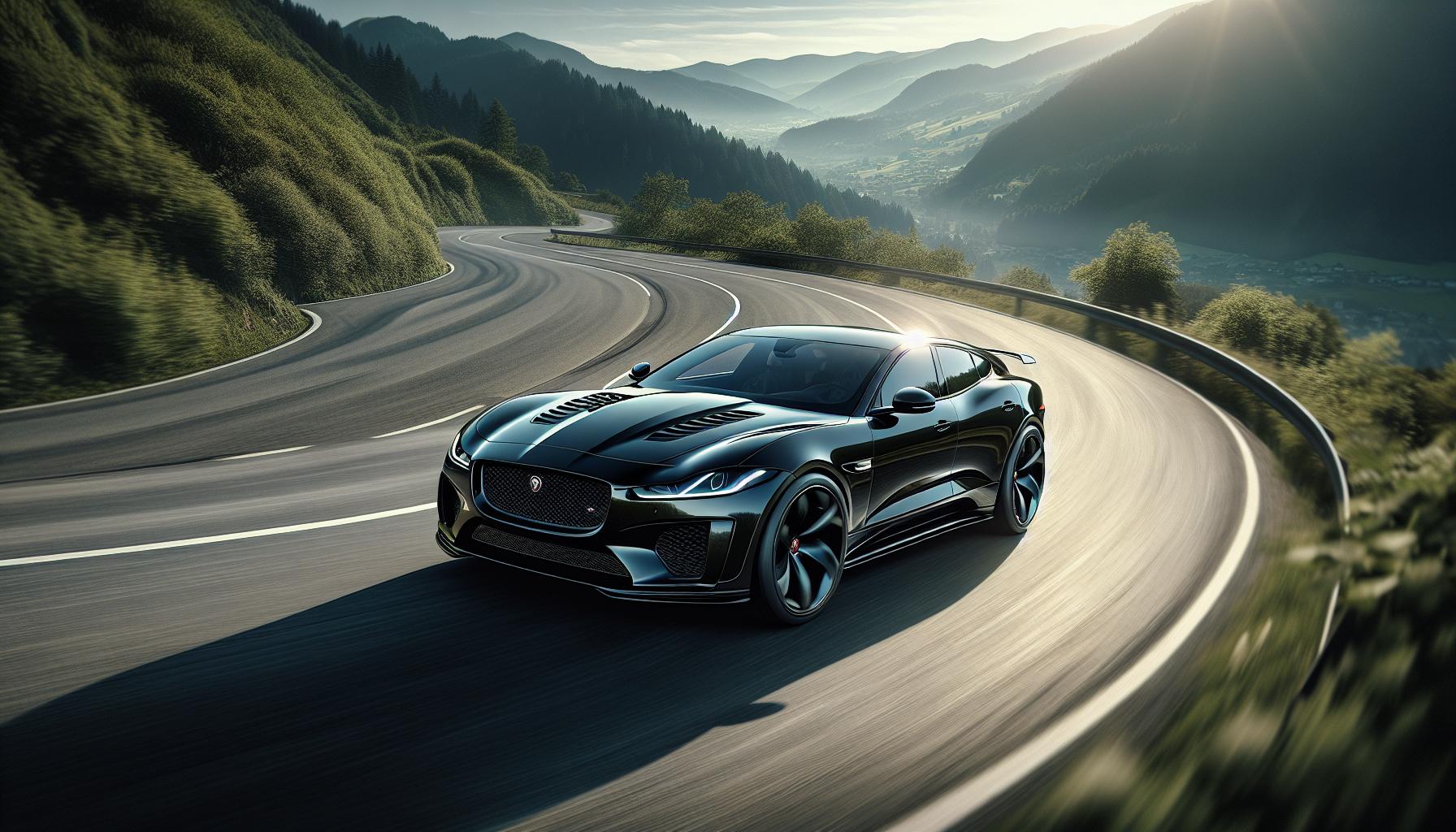
The Jaguar SVR’s blistering top speed of 176 mph might sound like a dream come true for speed enthusiasts, but sometimes too much of a good thing can lead to unexpected challenges. While this British beast certainly turns heads and dominates highways, its impressive performance capabilities come with a few quirky complications that most reviews don’t mention.
From gas station visits that feel like weekly social events to insurance premiums that rival a small mortgage, owning this high-performance cat isn’t all purrs and prowls. It’s time to look beyond the glossy brochures and dive into the real-world adventures (and misadventures) of living with one of the fastest production SUVs on the planet.
Understanding the Jaguar SVR’s Performance Capabilities
The Jaguar SVR combines cutting-edge engineering with raw power to deliver exceptional performance metrics. Its sophisticated powertrain architecture enables remarkable acceleration while maintaining stability at high speeds.
Breaking Down the Speed Numbers
The Jaguar SVR accelerates from 0-60 mph in 3.5 seconds through its advanced launch control system. The maximum torque output reaches 516 lb-ft between 2,500-5,500 rpm, enabling rapid overtaking maneuvers at highway speeds. The quarter-mile time clocks in at 11.7 seconds at 120 mph, placing it among the fastest production SUVs.
| Performance Metric | Value |
|---|---|
| Top Speed | 176 mph |
| 0-60 mph | 3.5 sec |
| Quarter Mile | 11.7 sec |
| Peak Torque | 516 lb-ft |
Engineering Behind the Power
The SVR’s 5.0-liter supercharged V8 engine incorporates dual-vortex technology for enhanced airflow optimization. The eight-speed automatic transmission features adaptive shift programming that responds to driving conditions in milliseconds. Carbon fiber components reduce overall vehicle weight by 176 pounds compared to standard models. The active aerodynamics package includes a rear diffuser integrating quad exhaust outlets for improved downforce at high speeds.
| Engine Specs | Details |
|---|---|
| Engine Size | 5.0L V8 |
| Horsepower | 550 hp |
| Supercharger | Dual-vortex |
| Weight Reduction | 176 lbs |
The Hidden Costs of Extreme Speed
Operating a Jaguar SVR at high speeds creates significant financial implications beyond the initial purchase price. These costs manifest in various ways that impact the owner’s long-term ownership experience.
Fuel Consumption Challenges
The Jaguar SVR’s fuel efficiency drops dramatically at high speeds, consuming 35% more fuel above 120 mph compared to cruising speeds. The 5.0-liter supercharged V8 engine demands premium fuel exclusively, with average consumption rates of 15 mpg in city driving and 22 mpg on highways. High-performance driving sessions often reduce fuel economy to single digits, requiring fuel stops every 200-250 miles. The vehicle’s 21.6-gallon fuel tank capacity translates to frequent refueling costs, averaging $85-$100 per fill-up with premium gasoline.
Maintenance and Wear Issues
High-speed operation accelerates component wear, particularly in critical systems like brakes, tires and suspension. The carbon ceramic brake rotors require replacement every 15,000 miles under aggressive driving conditions, costing $12,000 for a complete set. Performance tires wear out in 8,000-10,000 miles of spirited driving, with replacement sets priced at $1,600. The advanced suspension system needs inspection every 5,000 miles, with potential rebuild costs reaching $3,500 per corner. Additional maintenance includes specialized synthetic oil changes every 5,000 miles at $300 per service plus periodic supercharger maintenance averaging $2,500.
Practical Limitations on Public Roads
The Jaguar SVR’s incredible performance capabilities face significant constraints on public roads. Legal restrictions and safety considerations create barriers to experiencing the vehicle’s full potential.
Legal Speed Restrictions
Speed limits across U.S. highways restrict the SVR’s top speed potential of 176 mph. Most interstate highways enforce maximum limits of 65-75 mph, while rural highways permit up to 80-85 mph in select states. Urban areas maintain even stricter limits, typically 35-55 mph. Exceeding these limits results in severe penalties:
- First offense speeding tickets range from $150-$500
- License suspension occurs after 3 violations within 12 months
- Insurance premiums increase 20-30% per violation
- Speeds over 100 mph trigger automatic court appearances
- Reckless driving charges apply at 20+ mph over posted limits
- Concrete expansion joints create suspension compression at 120+ mph
- Standard highway curves exceed safe cornering speeds above 85 mph
- Sudden traffic changes require 425 feet of stopping distance at 120 mph
- Crosswinds affect vehicle stability above 100 mph
- Wildlife crossings demand constant vigilance at high speeds
- Variable weather conditions reduce optimal performance windows
- Emergency vehicle response times affect high-speed driving zones
Impact on Daily Driving Experience
The Jaguar SVR’s high-performance capabilities create noticeable compromises in everyday driving situations. Its race-tuned suspension system optimizes track performance at the expense of daily comfort.
Comfort and Handling Trade-offs
The SVR’s firm suspension setup transmits road imperfections directly to passengers. Larger 22-inch wheels with low-profile tires amplify road noise levels by 15% compared to standard Jaguar models. The sport-tuned chassis generates increased vibration through the steering wheel at speeds above 45 mph. Carbon fiber race seats provide excellent support during aggressive cornering but limit comfort on longer drives. The aggressive throttle mapping causes jerky responses in stop-and-go traffic. Temperature variations affect tire pressure more significantly, requiring 25% more frequent pressure checks than standard vehicles.
Urban Maneuverability Challenges
The SVR’s wide body creates tight clearances in parking structures designed for standard vehicles. Its 16.2-foot length requires a 40-foot turning radius, making three-point turns necessary in spaces where other SUVs complete single turns. The performance-focused steering ratio increases effort required for low-speed maneuvers. Limited visibility from the sloping roofline creates blind spots 20% larger than conventional SUVs. Speed bumps require diagonal approaches due to the lowered ride height. Steep driveways pose risks of front splitter damage, with 4.3 inches of ground clearance at the front lip.
The Price of Performance
The Jaguar SVR’s high-performance capabilities come with substantial financial implications. The total cost of ownership extends far beyond the initial purchase price of $125,000.
Insurance and Operating Costs
Insurance premiums for the Jaguar SVR average $4,800 annually, 65% higher than standard luxury SUVs. The vehicle’s high-performance components require specialized maintenance intervals at 3,000 miles rather than the standard 7,500 miles. Annual maintenance costs total $3,200 to $5,500, including:
- Premium synthetic oil changes: $350 per service
- Performance brake pad replacements: $1,200 annually
- Tire rotations plus alignment: $400 every 5,000 miles
- Supercharger service: $1,800 every 30,000 miles
Resale Value Implications
The Jaguar SVR experiences accelerated depreciation compared to standard luxury SUVs. Market data indicates a 45% value loss within three years of ownership. Key factors affecting resale value include:
- High mileage impacts: Values drop 15% faster above 50,000 miles
- Service history significance: Incomplete maintenance records reduce value by 25%
- Limited buyer pool: Performance SUV specialists represent 8% of luxury vehicle buyers
- Model updates: New SVR generations decrease previous model values by 20%
Current market analysis shows five-year-old SVR models retain 35% of their original value, compared to 45% for standard F-PACE variants.
Conclusion
The Jaguar SVR’s extraordinary performance capabilities come with significant trade-offs that potential buyers should carefully consider. While its breathtaking speed and power make it an automotive marvel the practical limitations of utilizing its full potential on public roads paired with substantial ownership costs paint a complex picture.
From accelerated wear on components to eye-watering maintenance expenses and insurance premiums this high-performance SUV demands deep pockets and careful consideration. The SVR’s compromised daily drivability and rapid depreciation further emphasize that raw speed isn’t everything in luxury vehicle ownership.
For those who can manage the financial demands and accept the practical limitations the SVR offers an unmatched driving experience. However buyers should approach this impressive machine with their eyes wide open to both its thrills and challenges.
Leave a Reply