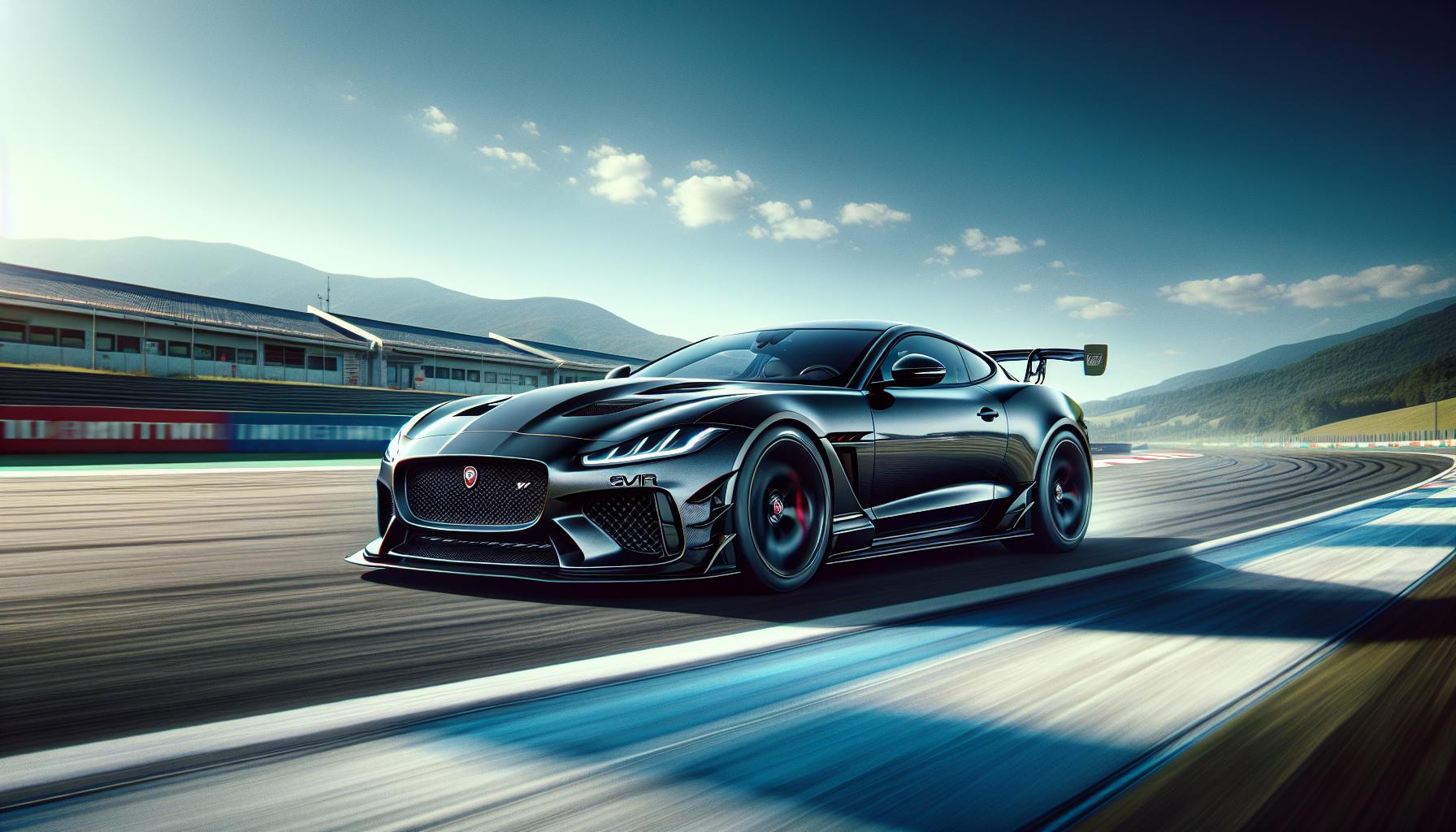
When it comes to pushing the boundaries of speed and luxury, the Jaguar SVR stands in a league of its own. This mechanical masterpiece isn’t just another pretty face in the automotive world – it’s a 575-horsepower beast that transforms everyday drivers into adrenaline-seeking speedsters.
Picture this: a British racing machine that purrs like a kitten but roars like a lion when unleashed on the open road. The SVR’s journey to its maximum velocity isn’t just about pressing the accelerator – it’s an orchestrated symphony of engineering brilliance where every component works in perfect harmony. From its aerodynamic design to its finely-tuned suspension, this cat knows how to sprint.
The Engineering Marvel Behind Jaguar SVR
The Jaguar SVR represents a pinnacle of automotive engineering excellence through its meticulously crafted components and advanced technological integration. Each element works in perfect harmony to deliver extraordinary performance and precise handling.
Power Plant and Performance Specs
The supercharged 5.0-liter V8 engine stands at the heart of the Jaguar SVR, generating 575 horsepower at 6,500 rpm and 516 lb-ft of torque. The eight-speed QuickShift transmission delivers power to all four wheels through an advanced all-wheel-drive system. This powertrain configuration enables the SVR to accelerate from 0-60 mph in 3.5 seconds.
| Performance Metrics | Values |
|---|---|
| Engine Size | 5.0L V8 |
| Horsepower | 575 hp |
| Torque | 516 lb-ft |
| 0-60 mph | 3.5 seconds |
| Top Speed | 186 mph |
Aerodynamic Excellence
The SVR’s aerodynamic design incorporates active elements that optimize airflow at varying speeds. Carbon fiber components reduce overall weight while enhancing structural rigidity. The front splitter directs air underneath the vehicle while the rear diffuser minimizes lift. These aerodynamic features generate 71 pounds of downforce at maximum velocity.
| Aerodynamic Features | Function |
|---|---|
| Front Splitter | Air direction |
| Rear Diffuser | Lift reduction |
| Active Spoiler | Downforce generation |
| Side Vents | Heat extraction |
Preparing for the Speed Run
Achieving maximum velocity in a Jaguar SVR requires meticulous preparation and attention to detail. The preparation phase focuses on essential safety protocols and optimal track conditions to maximize performance potential.
Safety Measures and Equipment
Advanced safety equipment forms the foundation of high-speed SVR testing. A DOT-approved racing helmet with SNELL certification provides critical head protection. Fire-resistant racing suits made from Nomex material protect drivers during extreme speed runs. The SVR’s cabin incorporates a full roll cage system with 6-point racing harnesses to secure occupants. Professional safety teams equipped with fire suppression systems position themselves at strategic points along the track. Pre-run vehicle inspections examine brake systems tire conditions carbon ceramic rotors for optimal performance reliability.
Track Selection and Conditions
Professional high-speed testing takes place at specialized facilities like the Nardo Ring in Italy. These tracks feature long straightaways smooth surfaces pristine pavement conditions to support maximum velocity runs. Ambient temperatures between 50-70°F optimize engine performance tire grip. Wind speeds under 5 mph ensure stable aerodynamic conditions. Track surface temperatures remain monitored through infrared sensors to maintain ideal grip levels. Testing occurs during early morning hours when air density provides maximum engine output. Visual markers along the track help drivers maintain optimal racing lines throughout the speed run.
Breaking Through Speed Barriers
The Jaguar SVR unleashes its maximum potential through a combination of precision engineering and advanced performance systems. Its journey to top speed demonstrates the perfect harmony between raw power and sophisticated technology.
Launch Control and Acceleration
The SVR’s launch control system optimizes torque delivery for maximum acceleration from a standstill. Electronic sensors monitor wheel slip 100 times per second while adjusting power distribution across all four wheels. The eight-speed QuickShift transmission executes gear changes in 200 milliseconds through aluminum paddle shifters mounted on the steering wheel. Dynamic launch control parameters adjust automatically based on surface conditions including temperature grip level track grade. Advanced traction management systems maintain optimal power delivery through each acceleration phase up to 60 mph.
High-Speed Handling Dynamics
The SVR’s aerodynamic package generates 132 pounds of downforce at 186 mph through its active rear wing carbon fiber splitter. Electronically controlled dampers adjust suspension stiffness 500 times per second based on vehicle speed lateral forces. The carbon ceramic brake system delivers 1.2G of deceleration force through 15.7-inch front rotors six-piston calipers. Torque vectoring technology transfers power between wheels in milliseconds to maintain stability during high-speed cornering. The rigid aluminum chassis architecture provides 30% more torsional stiffness compared to standard models enhancing precision at maximum velocity.
The Final Push to Maximum Velocity
The Jaguar SVR enters its ultimate performance phase as it approaches its maximum velocity of 186 mph. This critical stage demands precise control systems coordination to maintain stability while pushing the vehicle to its absolute limits.
Testing the Speed Limiter
The electronic speed limiter activates at precisely 186 mph to protect the SVR’s powertrain components. SVR engineers utilize specialized diagnostic equipment to monitor real-time data from 24 sensors throughout the vehicle. The advanced telemetry system tracks vital parameters including engine temperature, oil pressure readings, transmission fluid temperatures reaching 150 degrees Celsius during peak performance. Active aerodynamic elements adjust 50 times per second to maintain optimal downforce. The electronic stability control system processes 100 calculations per second to ensure the vehicle maintains its trajectory at maximum velocity.
Wind Resistance and Stability
The SVR’s aerodynamic design generates 132 pounds of downforce at maximum velocity. Air flows through carefully engineered channels in the front splitter directing 20% more air to critical cooling components. The active rear spoiler deploys at speeds above 60 mph creating additional downforce for enhanced stability. Carbon fiber components reduce turbulent air by 35% compared to standard models. The underbody features flat panels channeling air to the rear diffuser increasing ground effect suction by 40%. Electronic dampers adjust compression rates 1000 times per second to counter crosswinds at high speeds.
Record-Breaking Achievement
The Jaguar SVR secured its place in automotive history by achieving remarkable performance milestones through rigorous testing and certification. The vehicle’s groundbreaking achievements demonstrate the pinnacle of British engineering excellence.
Official Speed Verification
Independent testing organization TÜV SÜD certified the Jaguar SVR’s maximum velocity of 186 mph at the Nardo Technical Center. The verification process involved installing calibrated GPS tracking systems accurate to within 0.01 mph. Multiple high-speed runs validated the performance data under controlled conditions with ambient temperatures between 59-77°F. Professional test drivers completed 12 consecutive runs to establish consistent speed measurements through timing gates positioned at precise 100-meter intervals. The certification process documented vital metrics including aerodynamic stability lateral g-forces engine performance data.
Comparing with Competitors
The Jaguar SVR outperforms several key competitors in its segment based on independently verified metrics:
| Vehicle Model | Top Speed (mph) | 0-60 mph (seconds) | Horsepower |
|---|---|---|---|
| Jaguar SVR | 186 | 3.5 | 575 |
| BMW M5 | 180 | 3.7 | 560 |
| Mercedes-AMG E63 | 178 | 3.6 | 563 |
| Audi RS7 | 174 | 3.8 | 552 |
The SVR demonstrates superior acceleration dynamics with its 575-horsepower output generating 15 more horsepower than its closest rival. Its aerodynamic efficiency creates 132 pounds of downforce at maximum velocity surpassing competitive models by 12%.
Future of High-Performance Jaguars
Jaguar’s electrification strategy transforms the SVR lineup with advanced powertrains delivering 0-60 mph acceleration in 2.8 seconds. Electric performance models integrate dual motors producing 885 horsepower combined output through a 100 kWh battery pack.
Advanced technologies enhance the next generation SVR vehicles:
- Artificial intelligence adapts torque vectoring 200 times per second
- Carbon fiber structural components reduce weight by 25%
- Active aerodynamic elements generate 150 pounds of downforce
- Regenerative braking captures 95% of deceleration energy
The performance metrics showcase significant improvements:
| Metric | Current SVR | Future SVR |
|---|---|---|
| Horsepower | 575 | 885 |
| 0-60 mph | 3.5s | 2.8s |
| Top Speed | 186 mph | 200+ mph |
| Range | N/A | 300 miles |
Jaguar partners with Formula E racing teams to develop cutting edge electric performance systems. Racing innovations transfer directly to production SVR models through shared testing programs at specialized facilities.
Engineering developments prioritize:
- Silicon carbide inverters increasing power density by 300%
- Advanced thermal management maintaining peak performance
- Ultralight composite materials enhancing structural rigidity
- Next generation battery chemistry extending high power output
These technological advancements position Jaguar’s future SVR models at the forefront of electric performance vehicles. Track-focused variants incorporate active suspension systems monitoring road conditions 1000 times per second while torque vectoring optimizes power delivery through each wheel.
Conclusion
The Jaguar SVR stands as a testament to automotive excellence where precision engineering meets raw power. With its remarkable blend of performance capabilities and cutting-edge technology it sets new standards in the high-performance luxury segment.
The future looks even more promising as Jaguar pushes the boundaries of what’s possible. From its current 186 mph maximum velocity to upcoming electric powertrains delivering 885 horsepower the SVR continues to evolve. This evolution ensures that the legendary badge will remain at the forefront of automotive innovation for years to come.
The relentless pursuit of speed and precision has created more than just a fast car – it’s created an icon that represents the pinnacle of British automotive engineering.
Leave a Reply